
Why Pristine Waters Demand Rigorous Backcountry Biosecurity
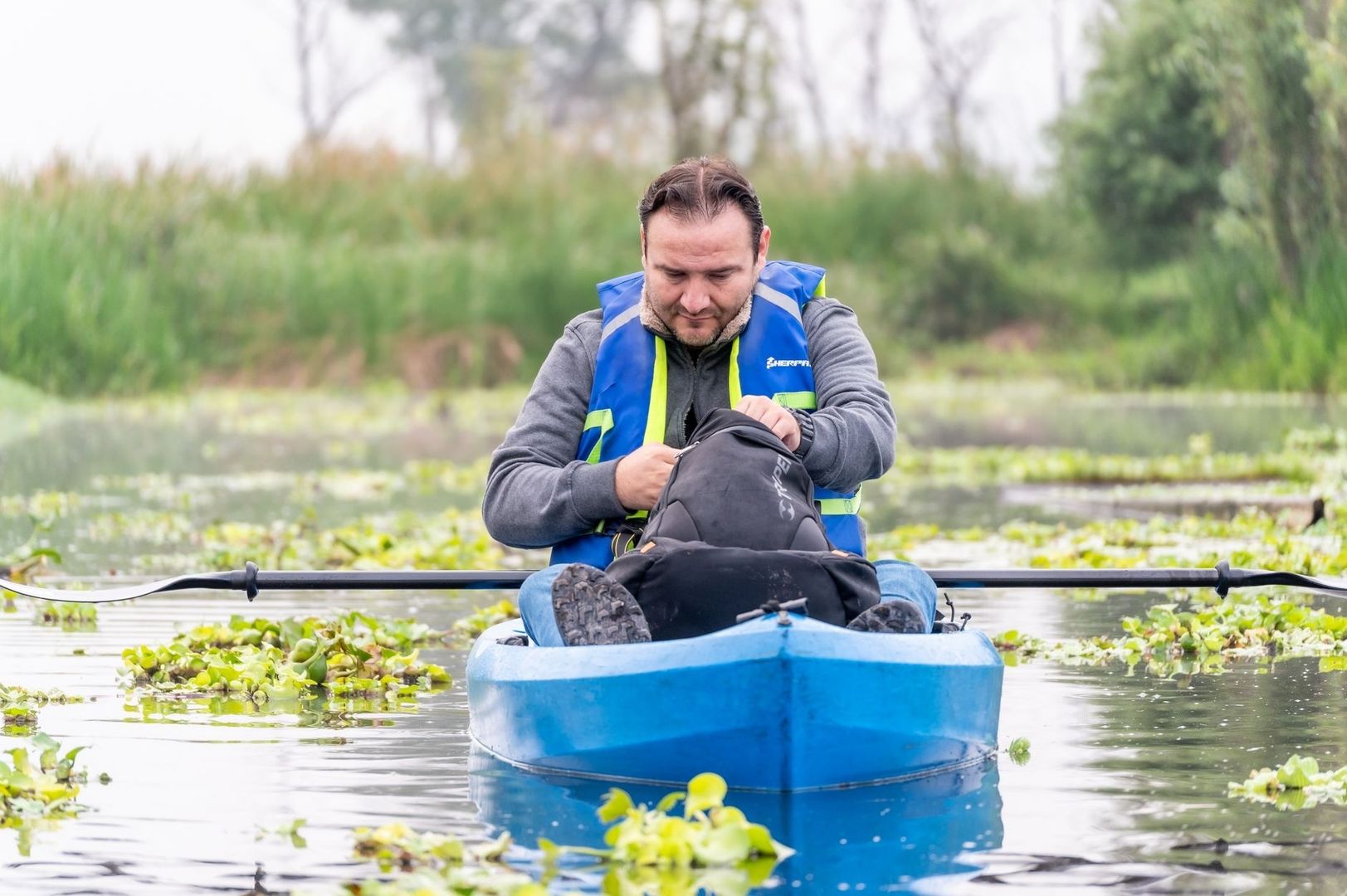
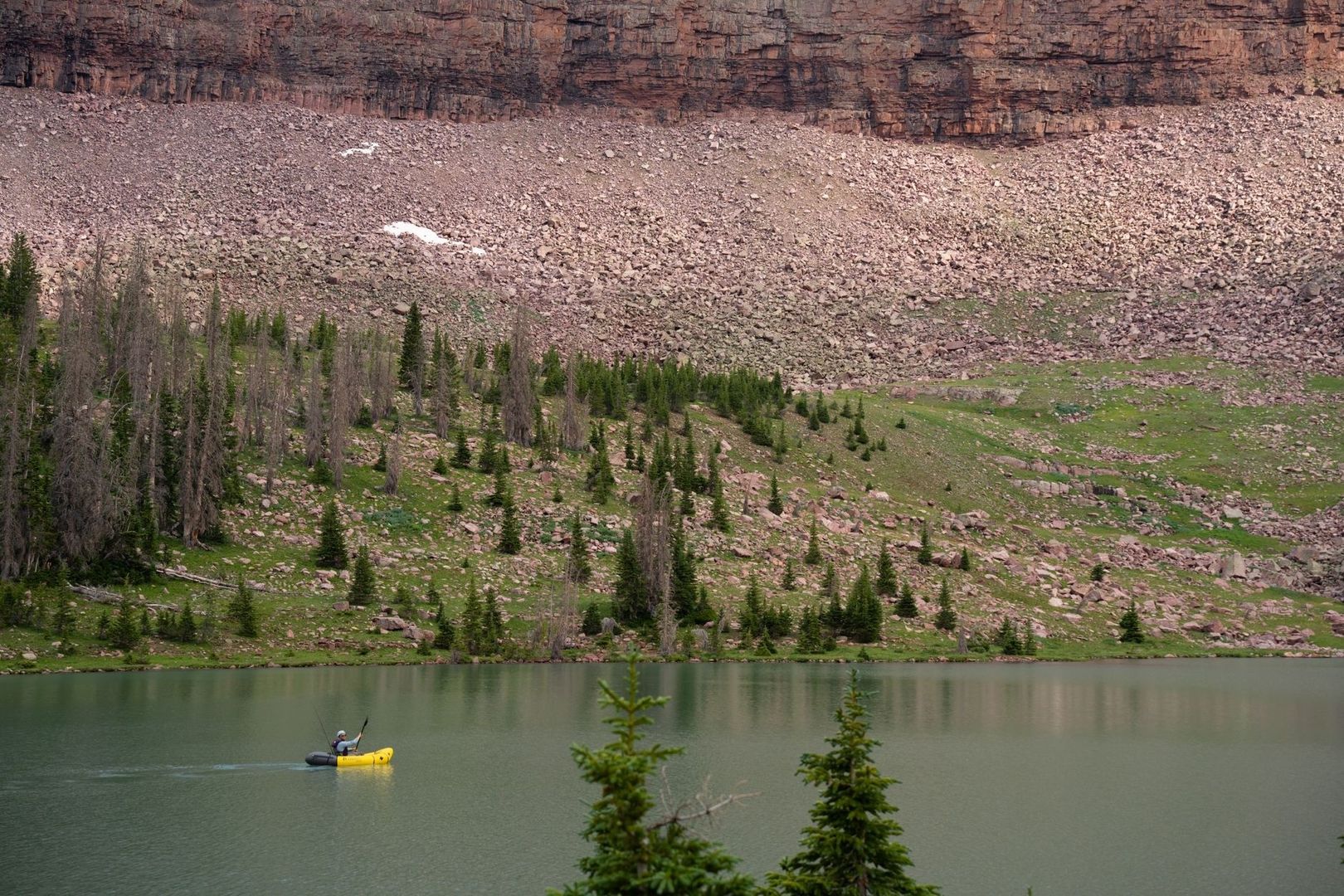
Self-supported packrafting and lightweight canoe travel have opened remarkable routes through alpine lakes, headwater streams, and remote drainage systems. A folded boat, compact paddle, and a few days of supplies can now carry a paddler far beyond conventional launch ramps. That freedom comes with a responsibility that is easy to underestimate: every piece of equipment moving between watersheds can become a transport system for organisms that are too small to see.
Didymo fragments, golden mussel veligers, invasive plant material, and disease-causing spores can travel in droplets, mud, seams, valves, footwear, and damp fabric. Whirling disease, for example, has no treatment and can cause severe mortality among young trout and whitefish. Invasive mussels can damage native ecosystems, water infrastructure, fisheries, and recreation. The risk is not limited to large motorboats. A hand-launched packraft can carry the same hidden moisture reservoirs as a much larger craft, only in a more compact and difficult-to-inspect form.
Motorized boat ramps often provide pressure washers, drainage areas, trained inspectors, and controlled disposal points. A remote alpine portage provides none of those conveniences. Backcountry biosecurity therefore depends on habits rather than infrastructure: inspect at the shoreline, remove organic material, drain every cavity, clean without spreading contaminated water, and dry equipment completely before entering another drainage. The guiding assumption is simple and effective: if the gear touched water, treat it as potentially contaminated until it has been cleaned, drained, and dried.
The Anatomy of Contamination in Ultralight Craft
Ultralight boats are efficient because they use flexible materials and compact construction, but those same features create numerous places where water can hide. An inflatable floor may hold moisture along seams or beneath overlapping layers. Internal air baffles can retain droplets after the main chambers appear dry. Cargo-fly zippers, valve recesses, attachment points, and folded corners can trap sediment and organic fragments. A boat that feels dry on the outside may still contain enough standing water to transport microscopic organisms across a drainage divide.
Soft equipment deserves equal attention. Perimeter grab lines, throw ropes, webbing, neoprene booties, spray skirts, and PFD foam absorb or retain water for much longer than smooth-coated hull fabric. Hook-and-loop fasteners are particularly troublesome because their fibers catch plant fragments and hold dampness against the boat. Felt-soled footwear can retain moisture even after surface drying, which is one reason many aquatic field protocols favor rubber soles. Guidance from California”s invasive mussel resources reinforces the broader lesson: non-motorized gear can carry aquatic nuisance species even when no contamination is visible.
| Gear component | Contamination risk | Drying challenge | Inspection priority |
|---|---|---|---|
| Coated hull fabric | Moderate | Low to moderate, except in folds and seams | Check seams, creases, valves, and attachment points |
| Inflatable floor and baffles | High | High because internal moisture may be inaccessible | Invert, open all valves, and use repeated drainage positions |
| Grab lines and throw ropes | High | High because fibers retain water and sediment | Uncoil fully, rinse, squeeze, and hang separately |
| Neoprene and spray skirts | High | High in seams, folds, and thick panels | Turn inside out and dry both surfaces |
| PFD foam and drybags | Moderate to high | Moderate, with hidden moisture in pockets and closures | Open every pocket and separate folded layers |
Cleaning should begin while the craft is still inflated whenever conditions allow. A full hull makes plant fragments, mud lines, and trapped debris easier to see. Pay particular attention to the underside, bow and stern folds, floor edges, tie-down points, and any place where the boat contacted vegetation or silty shoreline. The objective is not cosmetic cleanliness. It is the removal of the small, damp pockets where organisms can remain viable during transport.
Step by Step Decontamination Protocol for the Trail
The first inspection belongs at the water”s edge, before the boat disappears into a pack. Remove visible weeds, algae, mud, insects, and sediment by hand, using a dedicated soft brush or cloth. Do not carry debris to the next shoreline, and avoid washing contaminated material directly into another water body. If rinsing is necessary, use water from the recently used source or clean water carried for that purpose, then perform the work well away from storm drains and the next launch point.
Once the visible material is gone, concentrate on drainage and touch inspection. Open every valve, lift each floor edge, turn the boat so water can run from different corners, and feel along seams for cool or swollen sections. Run fingers through zipper tracks, hook-and-loop closures, and fabric folds. A quick-dry towel reserved for decontamination can remove more moisture than shaking alone. Clean the paddle, footwear, PFD, spray skirt, drysuit, and any line that entered the water. The boat is only as clean as the wettest accessory packed beside it.
- Clean. Remove plants, animals, mud, sand, and organic residue from the hull and every water-exposed item. Use a soft sponge and a small amount of biodegradable surfactant when appropriate, taking care to keep soapy water away from the shoreline.
- Drain. Open valves and compartments, empty trapped water, and repeatedly reposition the craft. Inspect drybag seams, boat-storage cavities, paddle ferrules, footwear, and pockets where water can collect.
- Dry. Separate layers, uncoil lines, open zippers, turn neoprene inside out, and place gear where air can circulate. Sunlight helps, but warmth alone does not prove that thick materials are dry internally.
- Verify. Before repacking, run a final hand inspection. Look for cool spots, damp folds, grit, plant fragments, and standing water. If any area remains wet, keep the equipment out until it is dry or follow the applicable quarantine period.
When another watershed must be reached the same day, the standard becomes more demanding. A surface wipe is not enough when the boat has been immersed moments earlier. Carry a small cleaning kit with a soft brush, absorbent cloth, mild biodegradable soap, spare water, and a way to hang or spread gear. Plan the route so the craft can remain open during breaks rather than being compressed immediately into a dark pack liner. Clean, drain, and dry is not a single action at the end of a trip; it is a deliberate transition between water bodies.
Thermal Disinfection and Gear Safe Field Chemistry
Heat can be highly effective, but technical fabrics and adhesives have limits. Field protocols used by wildlife agencies include hot-water immersion at 50 degrees Celsius for 30 minutes for suitable equipment, while other watercraft procedures specify 60 degrees Celsius high-pressure water for at least 10 seconds. Those figures are not interchangeable, and a paddler should never assume that a household kettle or uncontrolled camp stove provides a safe treatment for an entire inflatable boat. Excessive heat can soften adhesives, damage urethane coatings, distort valves, and weaken gaskets.
For equipment that can tolerate it, controlled hot-water treatment should follow the manufacturer”s material guidance and local authority requirements. The water must contact the relevant surfaces for the full exposure period, including seams and fittings. The Golden Mussel Prevention Program illustrates why official thermal and quarantine standards matter: eradication depends on validated time and temperature combinations, not on water that merely feels hot to the hand.
- Use heat only when the equipment manufacturer and the applicable authority identify the treatment as safe.
- Never pour very hot water into an inflatable chamber, valve, or bonded seam unless the craft”s technical documentation specifically permits it.
- Clean first. Mud, slime, and plant material can shield organisms from heat or disinfectant.
- Do not mix chemicals. A 2% Virkon S immersion, where authorized and correctly prepared, is a specific treatment with its own contact time, disposal rules, and equipment limitations.
- Use mild biodegradable surfactant for routine field cleaning, then rinse and dry thoroughly. Surfactant removes contamination; it should not be treated as a guaranteed pathogen-killing solution.
- Be cautious with bleach and strong solvents. They can degrade urethane, elastic gaskets, stitching, coatings, and durable water-repellent finishes.
- Keep chemical solutions away from natural water unless official instructions explicitly provide a disposal method.
White vinegar, approved quaternary-ammonium products, freezing, and extended drying are sometimes recommended for particular gear categories, but each option has material and regulatory constraints. Vinegar is not a universal substitute for a validated decontamination protocol, and freezing may damage some composites, foam, or liquid-filled components. Drysuit gaskets, coated fabrics, and PFD foams should be treated conservatively. When there is uncertainty, prioritize complete cleaning and drying, consult the manufacturer, and contact the local invasive-species program before moving the gear.
Mastering the Desiccation Window Between Drainages
Drying time depends on more than sunshine. Alpine humidity, cloud cover, wind, temperature, fabric thickness, elevation, and overnight condensation all affect the result. A coated hull spread in dry wind may become touch-dry quickly, while a folded neoprene bootie or rope core can remain damp for many hours. Some jurisdictions advise drying equipment for at least 48 hours before moving it, while gear last used outside specified regions may require 30 days. Always follow the rule for the destination and the water body, because local requirements can be stricter than general advice.
- Spread the boat fully open, with floor layers separated and valves uncovered.
- Hang grab lines and throw ropes in loose coils or straight lengths, turning them during the drying period.
- Open all drybag closures and invert bags so seams and bottom corners receive airflow.
- Place PFDs with pockets open and shoulder straps separated; rotate them to expose foam and inner panels.
- Turn neoprene booties, socks, and spray skirts inside out, then reverse them again after the first surface dries.
- Use a dry, absorbent cloth to remove pooled water before air drying, but do not treat a dry-feeling surface as proof that the interior is dry.
Before launching in a new watershed, conduct a deliberate storage-cavity inspection. Check the boat bag, repair kit, pump hose, paddle ferrules, footwear soles, drybag folds, and any container that held wet equipment. Shake out sand and plant matter, inspect zippers by touch, and run a clean hand along floor seams. If a drybag or boat sack was packed while damp, open it again even if the boat itself appears dry. Moisture and debris often migrate during transport.
Carry the River Forward with Stewardship and Precision
For backcountry paddlers, equipment care is part of navigation, flotation management, and campsite discipline. The same methodical attention used to read weather, secure a load, or assess a rapid should be applied to watershed boundaries. Cleaning gear is not an inconvenience added to the adventure. It is a practical expression of respect for headwaters that may support native fish, drinking-water systems, wetlands, and downstream communities.
Check regional rules before departure, identify inspection and decontamination stations along the approach, and stop when signs or officials require it, even if the craft is small and hand launched. Build drying time into the itinerary instead of treating it as an afterthought. With a brush, towel, spare water, and a realistic schedule, you can move between remote drainages with confidence while leaving no unwanted passengers behind. Protecting pristine water begins with precise habits at the shoreline, one clean, dry launch at a time.