
Beyond Hypothermia: The Deadly Truth About Cold Water
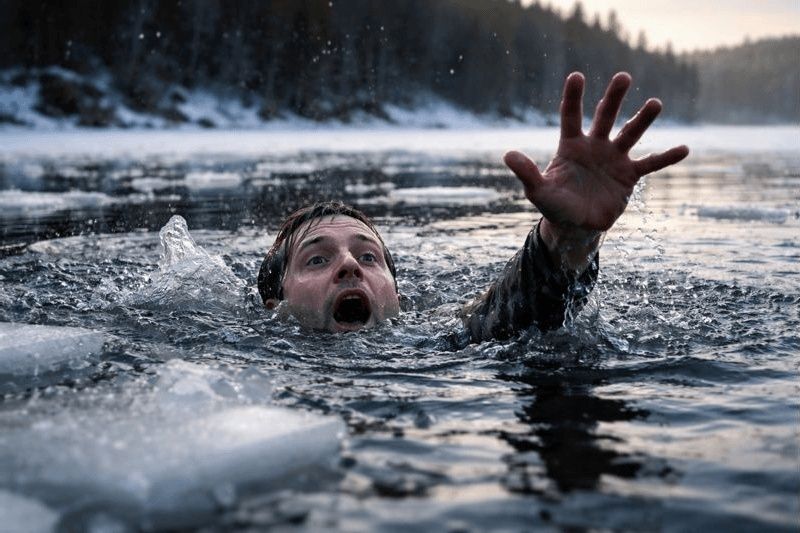
For paddlers, kayakers, boaters, and anglers, cold water is often discussed as a hypothermia hazard. Hypothermia is certainly serious, but it is rarely the first threat after an unexpected fall. The immediate danger is cold shock, a powerful involuntary response that can disrupt breathing, spike heart rate and blood pressure, impair judgment, and turn a simple capsize into a drowning emergency before the body has had time to become profoundly cold.
The first 60 seconds are therefore a critical survival window. When cold water hits the face, neck, chest, and upper body, the nervous system can trigger a violent gasp followed by rapid, uncontrolled breathing. If the head is submerged, that first gasp may pull water into the lungs. Even with the airway clear, panic and hyperventilation can make purposeful movement almost impossible. The priority is not to race for shore. It is to keep the airway above water, control breathing, and use flotation until the initial reflex begins to settle.
The 60-Second Neurochemical Cascade
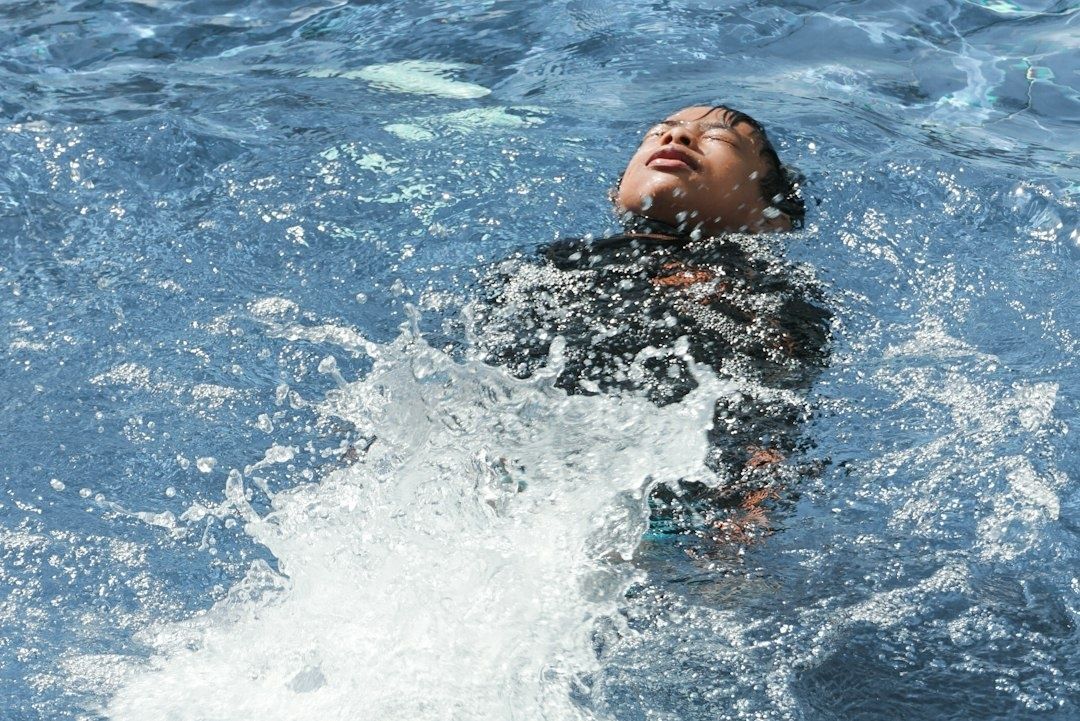
Cold immersion begins a rapid chain reaction. Skin temperature receptors send an emergency signal to the brain, while peripheral blood vessels constrict to reduce heat loss from the skin. At the same time, the sympathetic nervous system releases catecholamines such as adrenaline and noradrenaline. Heart rate and blood pressure rise, blood is redirected toward the body”s core, and the respiratory system shifts into an emergency pattern.
The most visible part of that response is the gasp. It is not a deliberate breath that can be calmly resisted. It is a reflexive contraction of the breathing muscles, often followed by hyperventilation. In practical terms, that means a person who enters the water face-first may inhale water before conscious control returns. The subsequent rapid breathing can also lower carbon dioxide levels in the blood, causing dizziness, tingling, confusion, cramps, and a dangerous sense that there is not enough air even when the airway is clear.
Cold water further reduces breath-holding ability. According to cold-water safety guidance, below approximately 60 degrees Fahrenheit, or 15 degrees Celsius, an average person may hold their breath for only about one-third as long as in warmer water. The exact response varies with temperature, clothing, exertion, health, and acclimatization, but the operational lesson is consistent: never rely on a long breath-hold during an emergency immersion.
| Approximate time | What may be happening | Immediate priority |
|---|---|---|
| 5 seconds | Cold receptors fire, blood vessels constrict, and an involuntary gasp may occur. Heart rate and blood pressure begin rising sharply. | Keep the face clear of the water. Do not inhale suddenly if the airway is exposed. |
| 15 seconds | Hyperventilation may develop, with fast, shallow, poorly controlled breaths and rapidly escalating panic. | Use flotation, focus on a slow exhalation, and avoid thrashing. |
| 30 seconds | Breathing may remain chaotic. Confusion and poor decision-making can appear even while strength is still available. | Orient toward the boat, board, or nearest stable support without abandoning flotation. |
| 60 seconds | The most violent phase of cold shock may begin to ease, although breathing, coordination, and cardiac stress can remain dangerous. | Choose the safest self-rescue action only after breathing is more controlled. |
These time points are useful planning markers, not guarantees. A person who is injured, exhausted, wearing restrictive clothing, or immersed in very cold and rough water may deteriorate faster. Waves can repeatedly cover the face, and a loaded kayak or capsized boat may create entanglement hazards. Treat the first minute as a period for survival stabilization, not an opportunity to prove swimming ability.
Understanding Autonomic Conflict and Cardiac Stress
Cold immersion can activate two powerful systems at once. The cold-shock response is driven largely by sympathetic activity and tends to produce rapid breathing, a faster heartbeat, vasoconstriction, and elevated blood pressure. The mammalian diving response, activated especially when the face is immersed and a person holds the breath, is driven substantially by parasympathetic activity and tends to slow the heart while constricting blood vessels.
This simultaneous activation is known as autonomic conflict. Researchers have proposed that the clash between opposing signals can destabilize cardiac rhythm, particularly in people with underlying cardiovascular vulnerabilities. The scientific review on autonomic conflict during cold-water immersion explains why rapid submersion combined with breath-holding may be more hazardous than either stimulus alone.
The risk does not mean that every brief dunk will cause an arrhythmia. It does mean that deliberately plunging the face underwater, holding the breath, or swimming hard immediately after a fall is a poor strategy. The heart is already responding to a sudden stress load, while cold water increases the effort required for every movement. Keeping the airway clear above the surface is the first defensive action.
- Wear a properly fitted flotation device before launching, not after conditions worsen.
- Keep the face turned toward open air and avoid breath-holding unless a specific rescue maneuver requires it.
- Use the boat, kayak, paddleboard, or another stable object for support rather than swimming immediately toward distant shore.
- Call for help, activate communications equipment, or attract attention as soon as breathing and orientation permit.
Many drowning victims are found close to safety because cold shock, panic, fatigue, and rapidly increasing heat loss overwhelm the ability to complete a short swim. A shoreline that looks near from the cockpit may be farther away in cold water than it appears, especially against wind, current, waves, or a sloping bank that is difficult to climb. Flotation buys time, and time is the resource needed to make a safer decision.
Mental Grounding Protocols to Override the Reflex
Mental control begins with a simple recognition: the first violent breath is a reflex, not proof that the situation is already lost. The objective is to replace frantic movement with one controlled respiratory cycle at a time. Keep the mouth and nose clear, soften the shoulders, and make the exhalation longer and gentler than the inhalation. Breathing out through pursed lips can help slow the respiratory pattern and reduce the tendency to gulp air.
Box breathing can be practiced before every trip so it is familiar under pressure. In a calm environment, inhale gently for a count of four, pause briefly, exhale for four, and pause again for four. In cold water, strict counting may be difficult and prolonged breath-holding is not advisable. Adapt the method into a safer pattern: take a small controlled inhale, exhale slowly, then repeat while keeping the airway clear and maintaining flotation.
Tactile contact can interrupt the mental spiral. Grip the shoulder straps or buoyant panels of the personal flotation device, hold the kayak hull, or wrap an arm over the overturned boat if doing so does not create entanglement. The physical sensation gives the brain a concrete task and confirms that support is available. Once breathing becomes less chaotic, run a short checklist before attempting a major movement.
- Airway: Is the mouth and nose clear of spray and waves?
- Flotation: Is the life jacket secure, and can the boat or craft provide additional support?
- Orientation: Where are the craft, paddle, companions, shore, wind, and current?
- Communication: Can an emergency call, whistle, light, or verbal signal be made?
- Movement: Is self-rescue likely to improve survival, or will it consume essential energy and increase heat loss?
Do not discard clothing in an attempt to swim more freely. Layers can trap air, reduce heat loss, and provide some buoyancy. If the boat can be reached, climb onto it or get as much of the body out of the water as possible. If remaining in the water is unavoidable, a lone person can use the HELP position by drawing the knees toward the chest and keeping the arms close to the body, while groups can huddle together to conserve heat.
The 1-10-1 Rule and Essential Survival Protocols
The 1-10-1 rule is a practical memory aid, not a precise biological timetable. The first one represents roughly one minute to control breathing after cold shock. The ten represents approximately ten minutes of meaningful movement before cold-related loss of strength and coordination may become severe. The final one represents roughly one hour before hypothermia may lead to unconsciousness, although water temperature, clothing, body size, activity, health, and flotation can change the timeline dramatically.
That sequence explains why the first decision matters so much. A person may still be physically capable of swimming during the early minutes, but uncontrolled movement accelerates heat loss and burns energy. The safest route is often to remain attached to the craft, climb onto it, or make a short, deliberate move to a clearly reachable support point. Standard cold-water fall survival guidance emphasizes breathing control, life-jacket use, conserving heat, and avoiding unnecessary swimming.
A life jacket is non-negotiable because it performs its most important job during the involuntary gasp. A properly fitted device keeps the mouth and nose higher above the surface, even when the wearer cannot coordinate a purposeful stroke. Check that it is approved for the activity, fits snugly without riding up over the head, and is worn zipped or buckled before leaving the launch. Inflatable models require special attention to activation systems, maintenance, and whether they are appropriate for the conditions.
- Drysuit: Best suited to prolonged exposure, rough water, cold seasons, and trips where immersion is a credible possibility. It must be paired with suitable insulating layers underneath.
- Wetsuit: Useful for active paddling and planned immersion, provided the thickness and fit match the water temperature. A loose or inadequate suit can offer much less protection than expected.
- Thermal layers: Wool and water-resistant layers can slow heat loss. Avoid cotton next to the skin when cold-water exposure is possible.
- Head, hands, and feet: Neoprene gloves, hood or warm hat, and appropriate footwear preserve dexterity and reduce the chance that cold-impaired hands will prevent a rescue.
- Trip preparation: Check the forecast, water temperature, wind, current, visibility, launch conditions, communication equipment, and exit points before departure.
After rescue, handle a severely cold person gently, remove them from the water, insulate them, and seek emergency medical care. Post-rescue collapse is possible, and a person who is speaking may still be in serious danger. Do not assume that reaching the dock or beach ends the emergency. Keep monitoring breathing and responsiveness while help is on the way.
Command the Water with Preparedness and Composure
Cold water does not usually offer a long, calm interval in which to decide what to do. The first seconds may bring a gasp, hyperventilation, disorientation, and intense cardiac stress. Survival begins by treating those reactions as predictable physiology rather than personal failure. Keep the airway above water, accept flotation, slow the exhalation, and avoid immediate hard swimming until breathing is under control.
Preparation turns a violent surprise into a sequence of practiced actions. Wear the right flotation device and thermal protection, rehearse a capsize response, inspect the craft and communication gear, and make decisions based on water temperature and conditions rather than the apparent distance to shore. With that discipline, cold waterways remain demanding but manageable places to explore. Confidence on the water is not the absence of respect for nature. It is the result of preparation, composure, and the ability to act correctly during the first 60 seconds.